
Month : September 2018

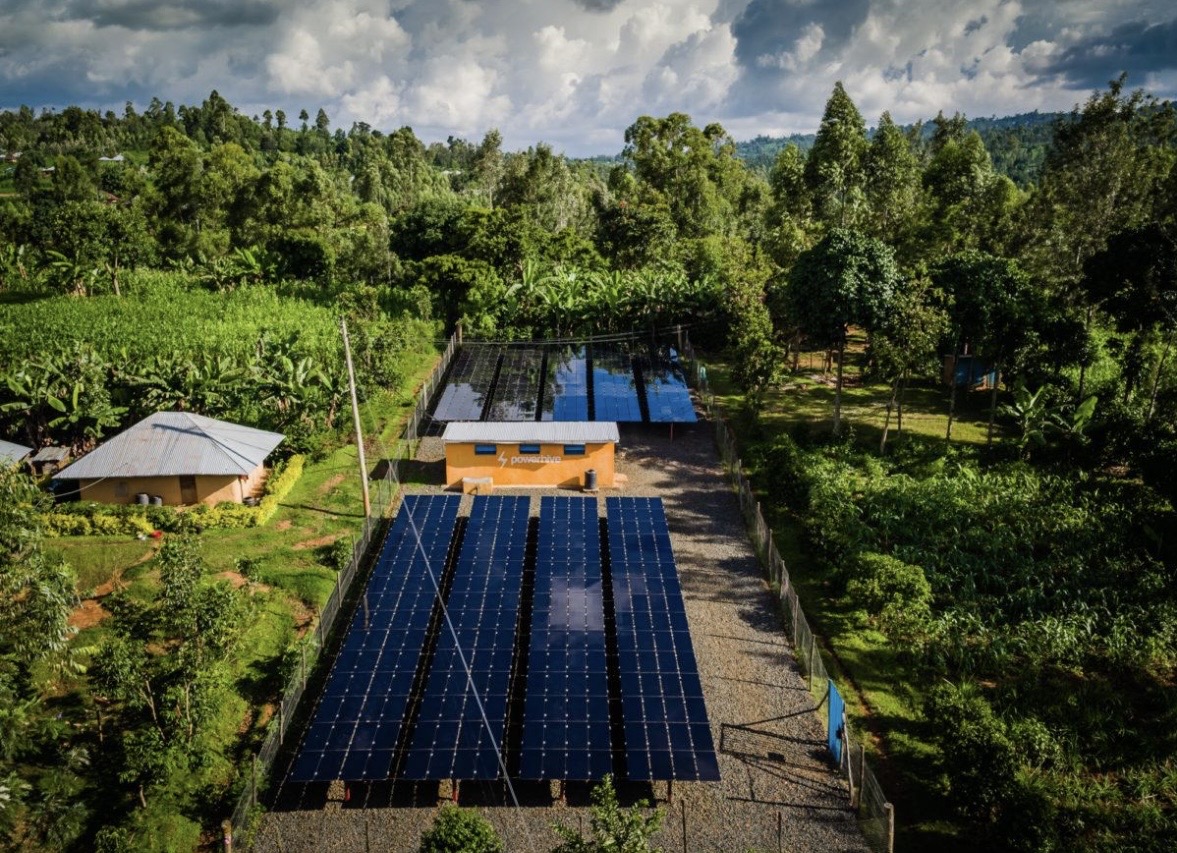
Decentralized energy systems represent a fundamental shift from traditional centralized power generation. Over the next 20 years, microgrids and distributed energy resources will empower communities to generate, store, and manage their own electricity.
Abstract Decentralized energy systems represent a fundamental shift from traditional centralized power generation. Over the next 20 years, microgrids and distributed energy resources will empower...
CCUS will serve as a bridge between traditional energy systems and a low-carbon future. Its scalability and compatibility with existing infrastructure make it essential for the next 20 years.
Abstract Carbon Capture, Utilization, and Storage (CCUS) technologies will play a vital role in reducing global carbon emissions while allowing continued use of fossil fuels....
Hydrogen is emerging as one of the most promising energy carriers for the next 20 years. Its ability to store and transport energy makes it a key solution for decarbonizing industries that cannot rely solely on electricity.
Hydrogen Energy and the Next Industrial Revolution Abstract Hydrogen is emerging as one of the most promising energy carriers for the next 20 years. Its...
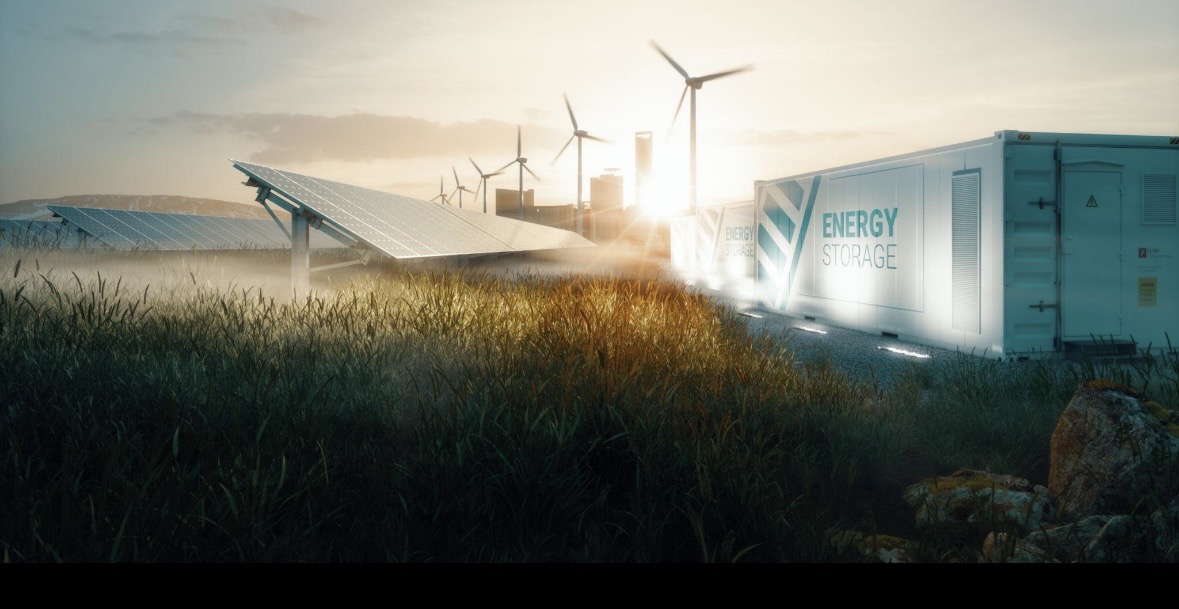
Over the next 20 years, renewable energy systems will dominate global electricity production. Solar, wind, and hybrid systems are expected to replace a significant portion of fossil fuel-based energy.
AI-Driven Energy Systems and Smart Grids Abstract Over the next 20 years, renewable energy systems will dominate global electricity production. Solar, wind, and hybrid systems...
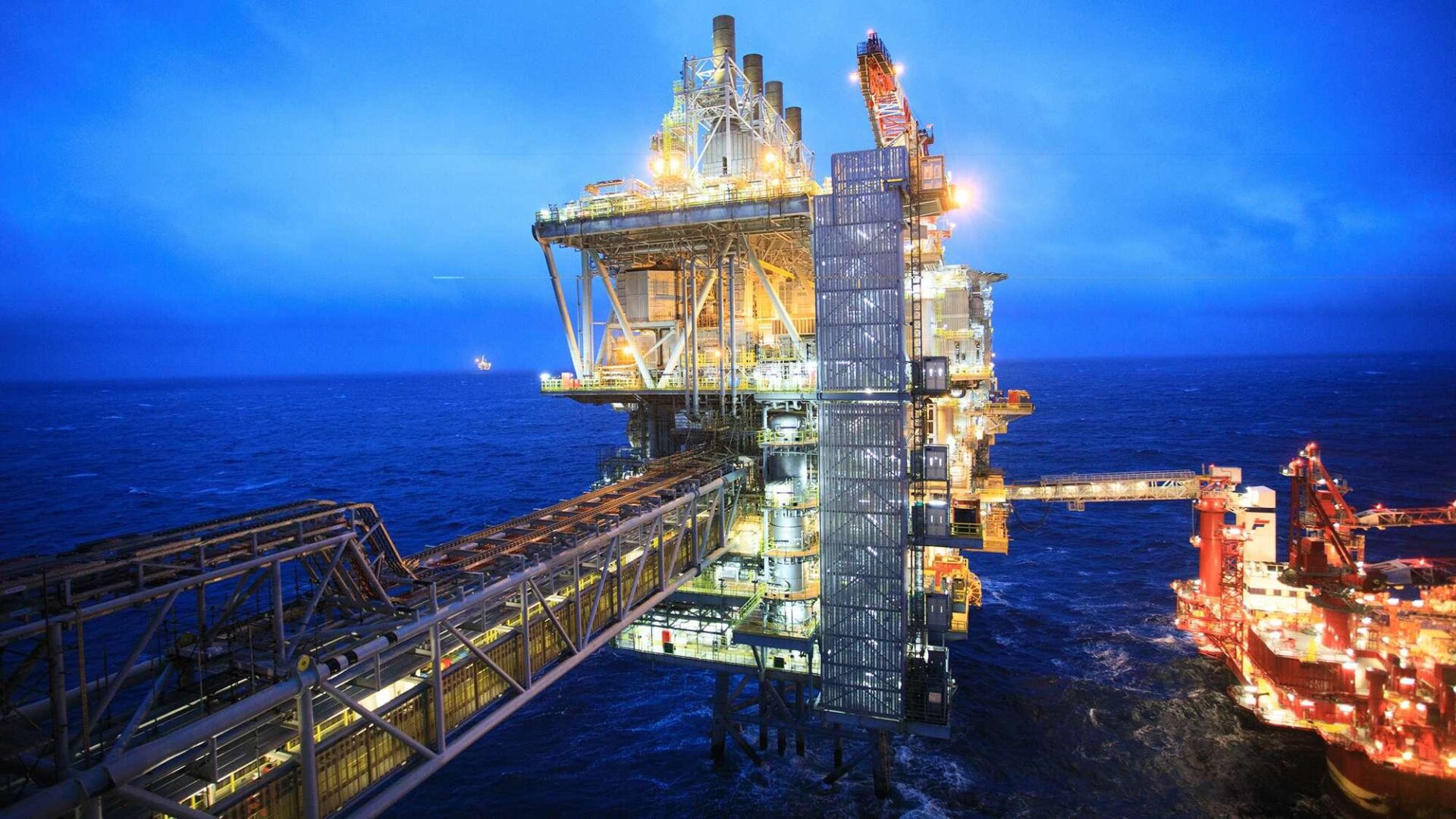
BP’s Vision 2030 reflects a fundamental shift in the energy industry. By combining engineering excellence with strategic diversification, BP is transitioning from a traditional oil major into a modern, integrated energy company.
BP Energy Strategy 2030: Engineering Transformation Toward an Integrated Energy Company 5 Abstract BP is undergoing one of the most significant transformations in the global energy...

Europe’s oil strategy represents a fundamental shift from expansion to transformation. Through engineering innovation, policy-driven change, and integration with renewable energy systems, Europe is redefining the role of oil in a modern energy economy.
Europe Oil Strategy 2030: Engineering Transition from Hydrocarbon Dependence to Integrated Energy Systems 6 Abstract Europe’s oil strategy toward 2030 is defined not by expansion,...
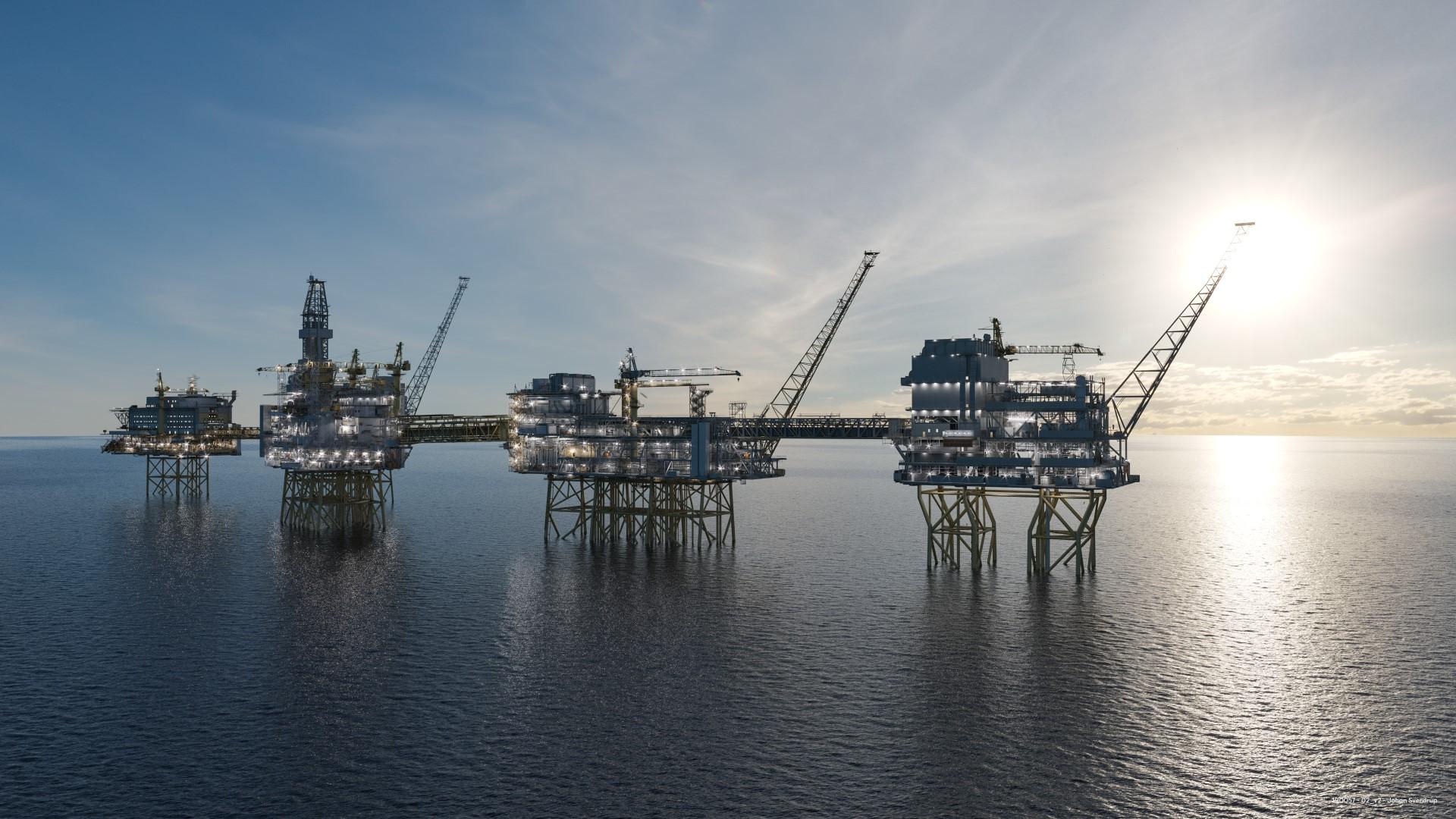
Norway’s demonstrates that oil production can coexist with sustainability and innovation. Through advanced offshore engineering, electrification, and environmental leadership, Norway has redefined the future of the petroleum industry.
Norway Oil Vision 2030: Engineering Excellence, Sustainability, and the Future of Offshore Energy 6 Abstract Norway represents one of the most advanced and sustainable oil-producing...
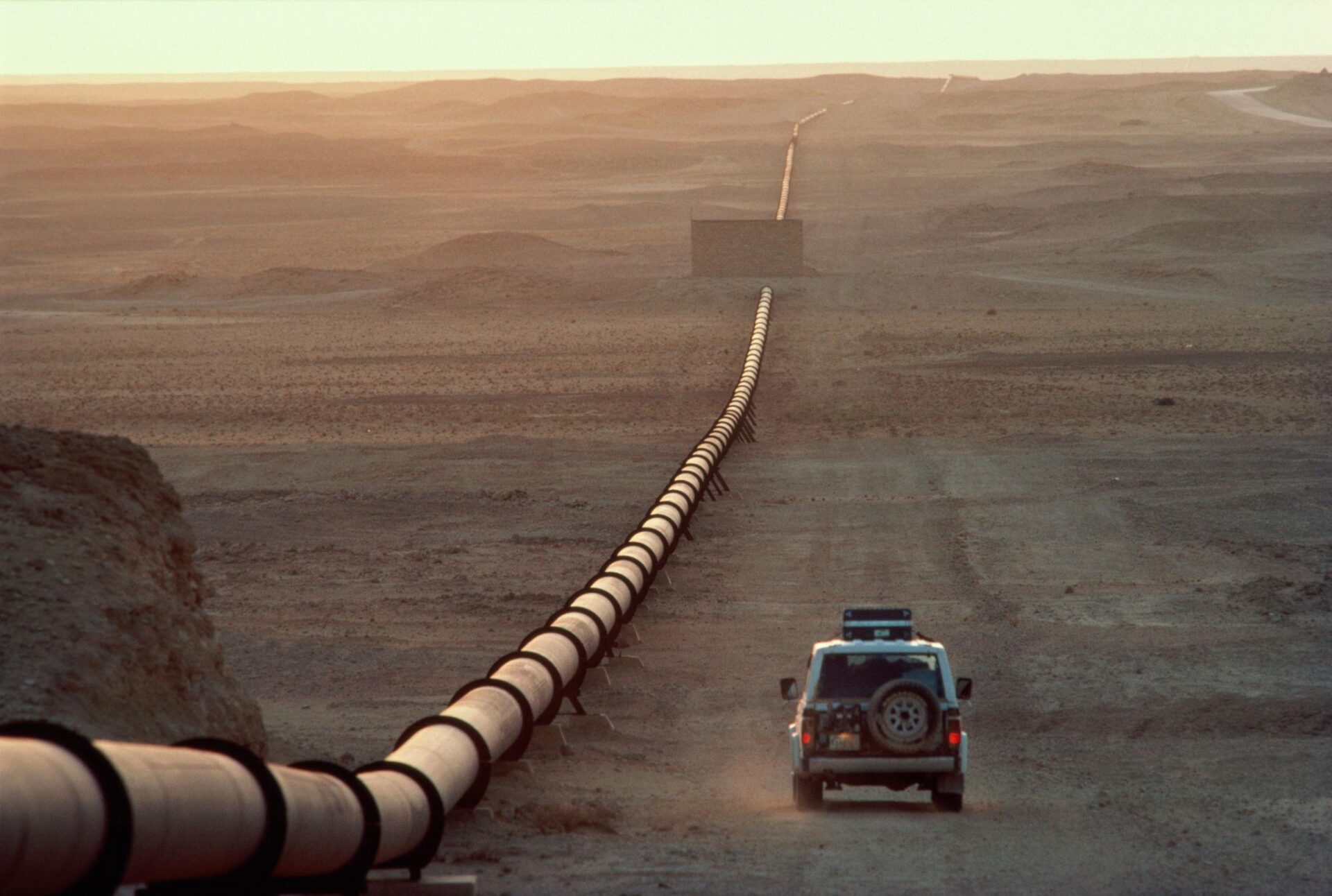
Saudi Arabia’s Vision 2030 is not about reducing oil dependency entirely, but about transforming the oil sector into a more advanced, efficient, and diversified system. Through engineering excellence, technological innovation, and strategic investment, the Kingdom is securing its position as a global energy superpower for decades to come.
Saudi Arabia Oil Vision 2030: Engineering Strategy for a Global Energy Superpower 6 Abstract Saudi Arabia, home to the world’s largest conventional oil reserves, is...

Azerbaijan’s Vision 2030 reflects a balanced energy strategy that combines its rich oil heritage with modern engineering innovation and diversification goals. By strengthening offshore production, expanding gas infrastructure, and investing in future energy systems, Azerbaijan is securing its role as a key energy player in the global market.
Azerbaijan Oil Vision 2030: Engineering Strategy for a Diversified Energy Future 6 Abstract Azerbaijan, historically one of the world’s earliest oil-producing regions, continues to play...