
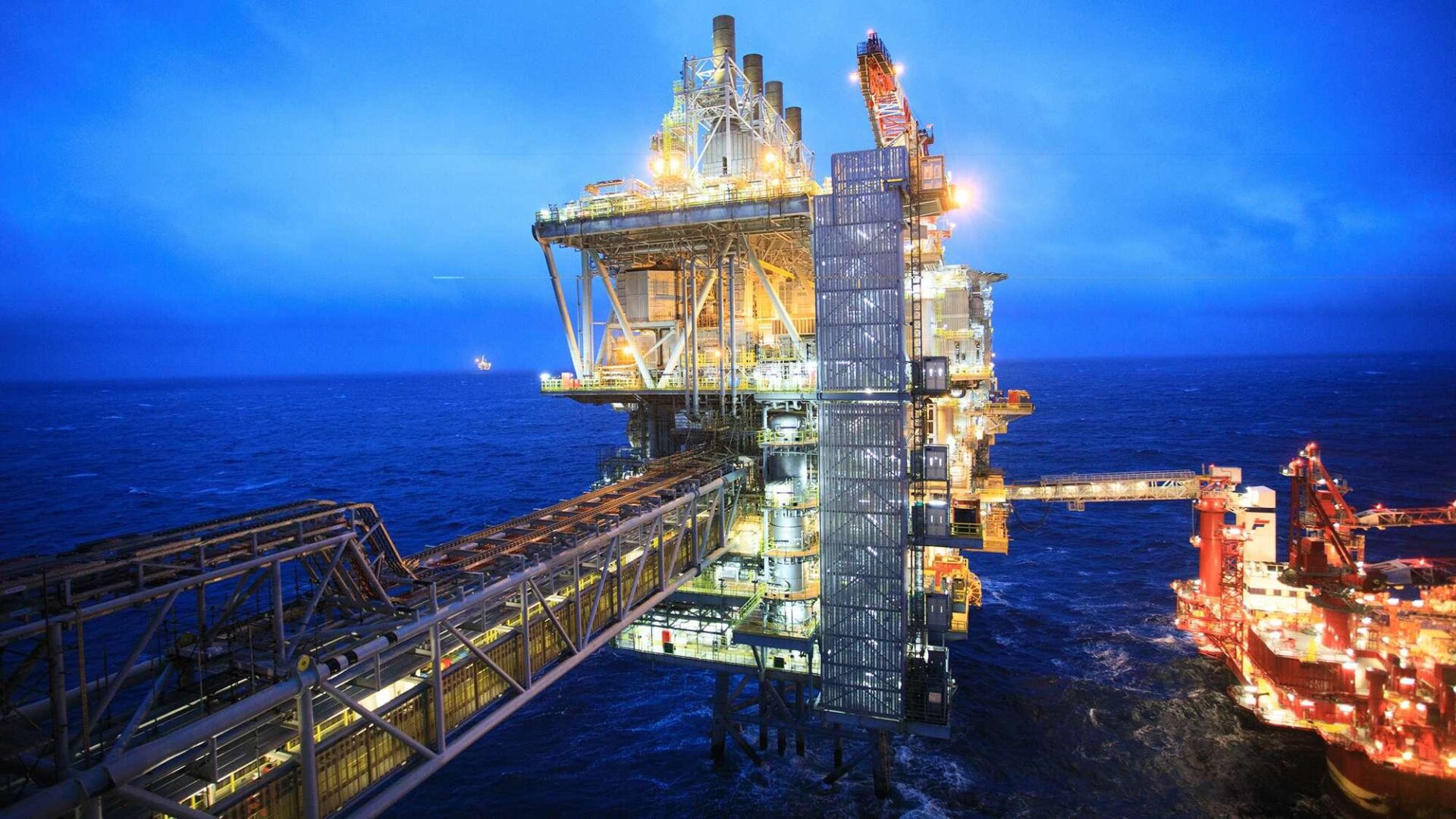
BP Energy Strategy 2030: Engineering Transformation Toward an Integrated Energy Company


5
Abstract
BP is undergoing one of the most significant transformations in the global energy sector. Moving beyond its historical identity as an oil and gas major, BP’s Vision 2030 strategy aims to reposition the company as an integrated energy provider. This journal explores BP’s engineering evolution across upstream oil optimization, downstream efficiency, renewable integration, hydrogen development, and digital transformation, all aligned with global decarbonization goals.
1. Introduction
Founded in the early 20th century, BP has played a central role in global oil exploration and production. However, increasing environmental pressures, shifting market dynamics, and investor expectations have compelled BP to redefine its long-term strategy.
BP’s Vision 2030 focuses on:
- Reducing hydrocarbon production intensity
- Expanding renewable energy capacity
- Investing in low-carbon technologies
- Maintaining profitability through efficiency and innovation
The company’s transformation reflects a broader industry shift toward energy diversification and sustainability.
2. Upstream Oil Engineering: Efficiency Over Expansion
2.1 Strategic Shift
BP is prioritizing:
- High-margin oil assets
- Lower-carbon production systems
- Reduced operational emissions
Rather than expanding aggressively, the company is optimizing existing fields.
2.2 Engineering Technologies
- Advanced reservoir simulation
- Enhanced oil recovery (EOR)
- Digital oilfield systems
These technologies allow BP to:
- Maximize recovery rates
- Reduce costs
- Improve environmental performance
3. Downstream Engineering and Refining Optimization
BP continues to operate a global network of refineries and distribution systems.
Engineering Systems
- High-efficiency distillation units
- Low-sulfur fuel processing
- Petrochemical integration
Strategic Focus
- Fewer but more efficient refineries
- Integration with biofuels and alternative feedstocks
This shift enhances profitability while aligning with environmental standards.
4. Expansion into Renewable Energy
BP is significantly increasing its investment in renewables.
Key Areas
- Offshore wind farms
- Solar energy projects
- Bioenergy production
Engineering Integration
Renewable systems are integrated with existing oil and gas infrastructure, creating hybrid energy solutions.
5. Hydrogen and Future Fuels Strategy
Hydrogen is central to BP’s long-term energy vision.
Engineering Components
- Electrolysis systems (green hydrogen)
- Carbon capture systems (blue hydrogen)
- Transport and storage infrastructure
Hydrogen projects aim to:
- Decarbonize industrial sectors
- Replace fossil fuels in heavy transport
6. Electric Mobility and Energy Retail Transformation
BP is transforming its retail business:
Key Developments
- Expansion of EV charging networks
- Integration with digital payment systems
- Smart energy retail platforms
This represents a shift from fuel sales to energy services.
7. Digital Transformation in Energy Engineering
BP is investing heavily in digital technologies.
Key Technologies
- Artificial Intelligence (AI)
- Digital twins
- Predictive maintenance systems
Applications
- Real-time monitoring of oil fields
- Optimization of refinery operations
- Energy demand forecasting
Digitalization improves both efficiency and sustainability.
8. Carbon Management and Sustainability
8.1 Net-Zero Commitment
BP aims to achieve net-zero emissions by 2050.
Engineering Solutions
- Carbon capture and storage (CCS)
- Methane emission reduction
- Energy efficiency improvements
9. Economic and Strategic Position
BP’s transformation positions it as:
- An integrated energy company
- A leader in energy transition
- A major player in global energy markets
The company balances:
➡️ Traditional oil and gas revenue
➡️ Investment in future energy systems
10. Challenges and Future Outlook
Challenges
- Balancing profitability with sustainability
- High capital requirements for transition
- Market uncertainty
Future Direction
BP aims to:
➡️ Reduce oil dependency
➡️ Expand low-carbon energy
➡️ Lead global energy transformation
Conclusion
BP’s Vision 2030 reflects a fundamental shift in the energy industry. By combining engineering excellence with strategic diversification, BP is transitioning from a traditional oil major into a modern, integrated energy company.
Its success will depend on balancing legacy hydrocarbon operations with emerging technologies, ensuring both profitability and sustainability in a rapidly evolving global energy landscape.
