22.4 C
New York
Saturday, Sep 12, 2026
Image default
Asia

Germany plays a leading role in Europe’s energy transition. While not a major oil producer, the country’s focus on renewable energy and sustainability influences the broader energy market.

📝 ARTICLE 33

North Sea Decommissioning: Engineering the End of Oil Fields

https://images.openai.com/static-rsc-4/hg_N6Yr_qG7CRAz3X1AlbZlP8PBJ8Ol4SOX1YyA7bfxQRjQZAcjSX_TyaX4KIIAq-Aeyr0Lo4VV-8-OBz84Xl-yj4QqOWXjyOk_mIgapZc-UvNuN5a23Kkdu_7kKG2BchsK0zS5WCQK_BPTnGJqOFgmW7gEXLmwPC7NHwUUINfkUXnyjU551aTRNy9szRG3r?purpose=fullsize
https://images.openai.com/static-rsc-4/htH0anYTfX7wTk4B6fPKBNbd9FVm73ajJn4jGeBN2SZGhlk4fOXi4iFryTiLIk_24jFZ8Jj2cWLLCqre_P4E71cBg962ktXEsgWRIBXEF2I1KI1MRWn9Es5PSTm0ML4zCrkICRW9CFUwtPp_qeYVYhqhXK9vtrWTxm9ZyicgN9eNWqVzlKI336apxYajVL5U?purpose=fullsize
https://images.openai.com/static-rsc-4/24qek8I-zDNWkqEwBKU_akAbDM7v3cxYbsprG8FuiGc5_l7DybMOfkA5FpLNt_wC7xGoK19a6PFV5sOvNcgzFlAsO1jhiXYv0NxVtBFvuFOJIeP5pGEzezHl3snNLOID87tKFbc-Y_KaNKEjKEAiNm0Cm4XJH9S0R66HKZROlYL3t-CKHc0kbVQkdu7VCA0g?purpose=fullsize

As many North Sea oil fields reach the end of their lifecycle, decommissioning has become a major engineering challenge. Removing offshore structures safely and efficiently requires specialized expertise.

Companies like Shell are investing in advanced decommissioning technologies, including heavy-lift vessels and subsea cutting tools.

Environmental considerations are central to the process. Engineers must ensure minimal impact on marine ecosystems.

Decommissioning represents a new phase in the oil industry, creating opportunities for innovation and sustainability.


📝 ARTICLE 34

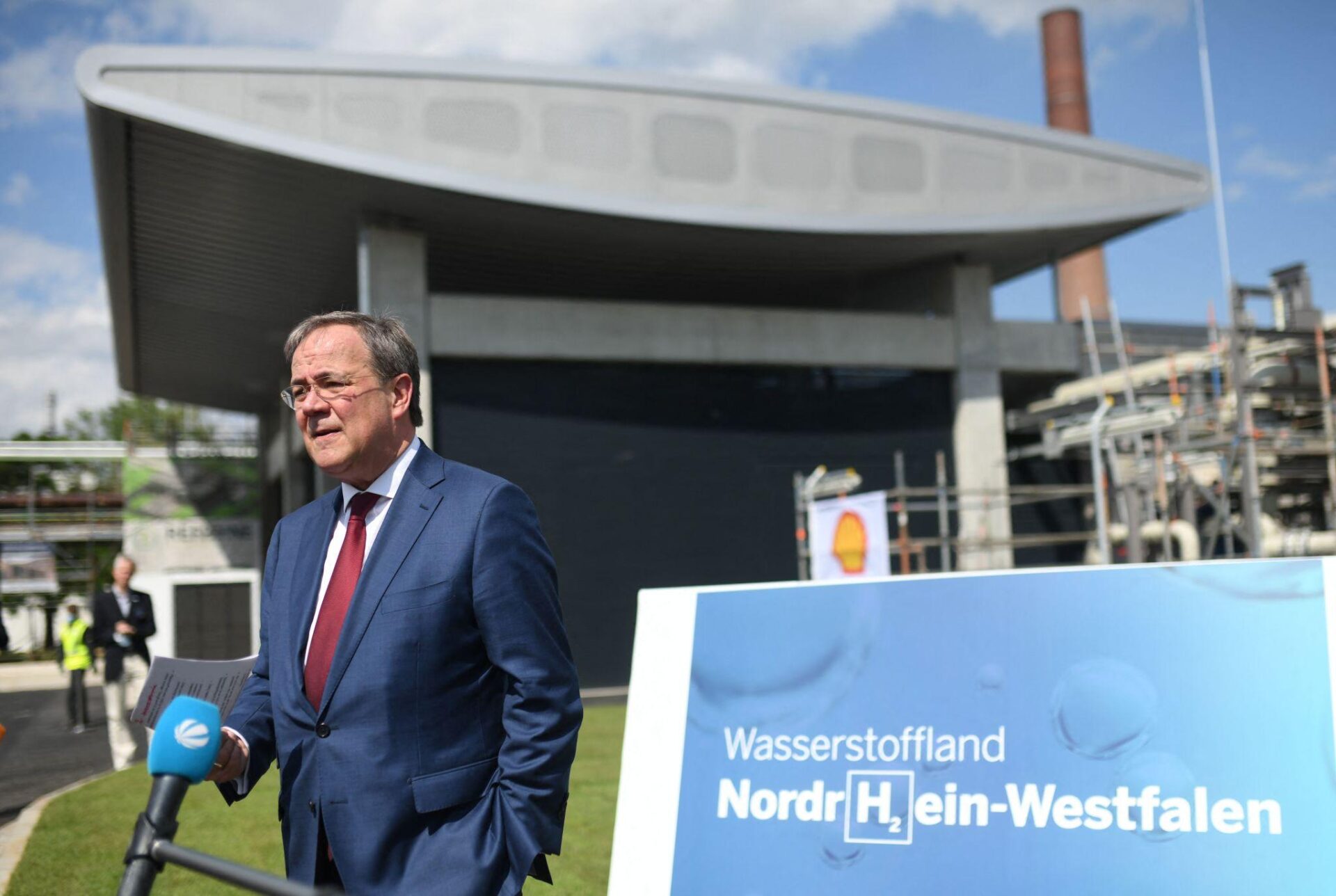
Germany’s Role in Energy Transition

https://images.openai.com/static-rsc-4/XbbqaXQwOXTk-XVAItrFlFnT4AezG-ntGUjOq61-DZLMqU2Hav-_Qao4FQ1PwGlh-HaEjehc5X8Z57mGeF7JkX-JeWx2M0f4EWWIVv74cS1B1oOZe-_JNRuVKi_bsTA6gUldPnl_wGXUQliCH93fbZw8aSdugRrkp1BfVc__gdpV40HkjTzZMJgN4_-4OELS?purpose=fullsize
https://images.openai.com/static-rsc-4/EPvpri9zdBKY8ghiqvjLPaEyzmVLrLc7pmnZvh4GQOgmv5TyYy4xH1-ak8N6FwvxL0MK2l4LZMub_w7yOhuKkiIimGl8OT-0pJijCuMGHl_HVvLYSF61QOxS-cbnO2mRf_f3YTZQuMYpV0lQhrafIKbg7-QgWovjs-uSs0jt-aTUw-WNpcrjY6b0xk9A7USO?purpose=fullsize
https://images.openai.com/static-rsc-4/ivI80i7wc7945YtznOGvkbU-s8lvIMAaWS9ktMaW51fk0kHd8Qn7aT-P8LdiYmlzDNxvqfG7xnp1sGZpoppP7f3UaoBnUph1mErDPRfdpLhKpUaixZAeZrAlrNahe2hx-Gn95E2uhdt2uZ6veWN_BuWCNfjKhu5TL02MpvfPFIoGcGQvsbOoYON2NA7s9GF9?purpose=fullsize

Germany plays a leading role in Europe’s energy transition. While not a major oil producer, the country’s focus on renewable energy and sustainability influences the broader energy market.

Engineering efforts are directed toward wind, solar, and hydrogen technologies. These initiatives aim to reduce dependence on fossil fuels and lower carbon emissions.

Germany’s policies and innovations serve as a blueprint for the future of energy systems.

Related posts

South Korea is a global leader in refining and petrochemical production. Despite limited natural resources, the country has built a strong energy sector.

Gunay Ismayilova

Saudi Arabia’s long-term energy strategy focuses on sustainability, innovation, and diversification.

Gunay Ismayilova

Nigeria is Africa’s largest oil producer, with vast reserves concentrated in the Niger Delta. The country’s oil industry is a key driver of its economy, contributing significantly to government revenue and exports.

Gunay Ismayilova

Leave a Comment