
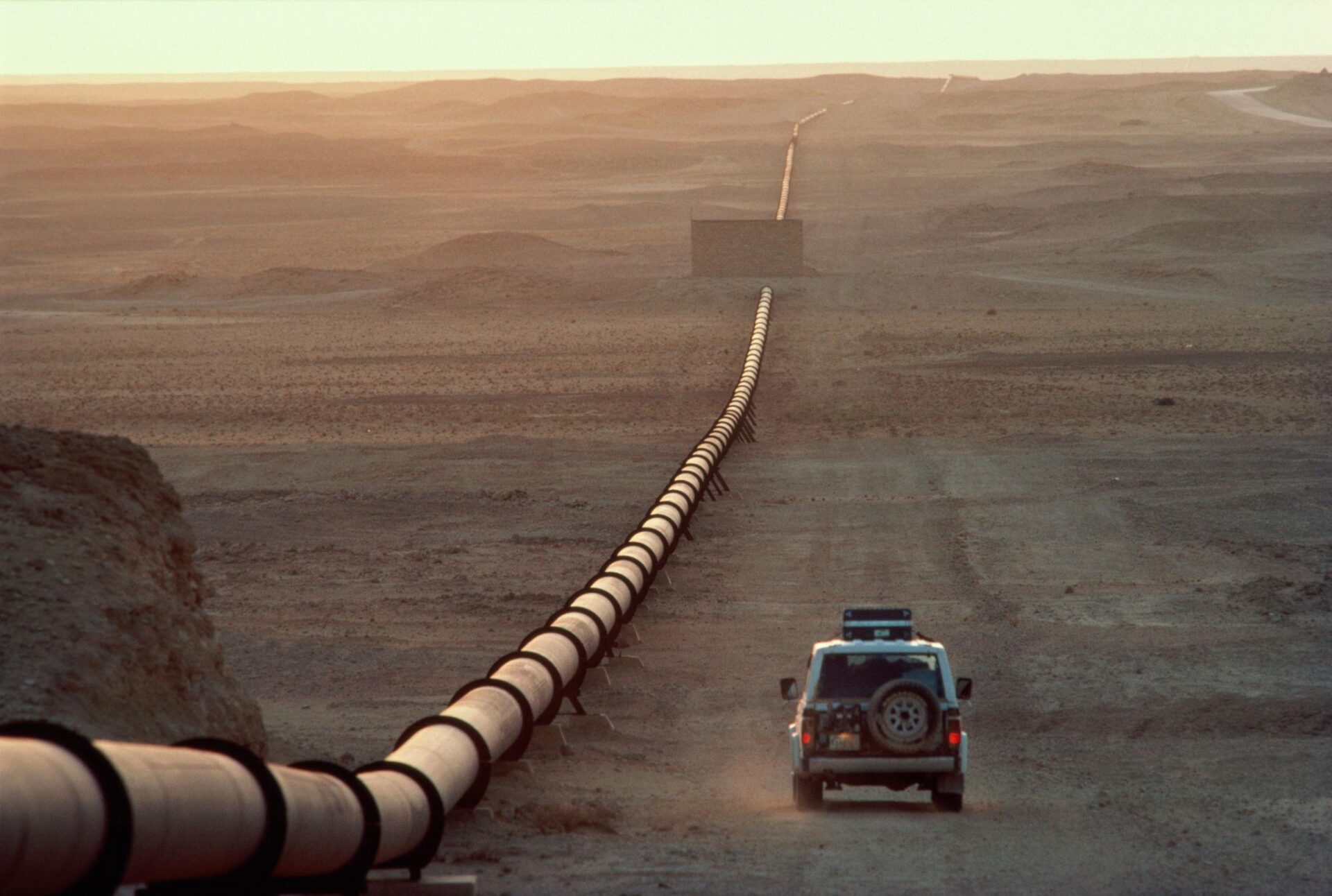
Saudi Arabia Oil Vision 2030: Engineering Strategy for a Global Energy Superpower


Abstract
Saudi Arabia, home to the world’s largest conventional oil reserves, is undergoing a strategic transformation under Saudi Vision 2030. While hydrocarbons remain central to the economy, the Kingdom is redefining its oil engineering sector to support diversification, sustainability, and technological leadership. This paper explores Saudi Arabia’s integrated oil engineering systems, mega-field management, gas expansion, and future energy strategies shaping its Vision 2030.
1. Introduction
Saudi Arabia has long been the cornerstone of the global oil industry, with unmatched production capacity and low-cost extraction capabilities. The national oil company, Saudi Aramco, plays a dominant role in managing upstream, midstream, and downstream operations.
Under Vision 2030, Saudi Arabia aims to:
- Diversify its economy beyond oil
- Expand industrial and petrochemical sectors
- Invest in renewable and future energy
- Maintain leadership in global energy markets
Rather than reducing oil’s role, the strategy focuses on maximizing value and efficiency across the entire energy chain.
2. Upstream Oil Engineering: Mega-Field Excellence
2.1 Ghawar Field
The Ghawar Field is the largest conventional oil field in the world, serving as the backbone of Saudi production.
Engineering Systems
- Advanced reservoir simulation models
- Horizontal drilling and smart wells
- Water injection systems for pressure maintenance
Technical Strength
Saudi Arabia achieves:
- Low lifting costs
- High recovery rates
- Stable long-term production
2.2 Offshore Engineering (Safaniya and Zuluf)
Saudi Arabia operates major offshore fields in the Arabian Gulf.
Engineering Components:
- Offshore platforms
- Subsea pipelines
- Processing facilities
Challenges:
- Corrosion control
- Marine logistics
- High-temperature operations
3. Midstream Infrastructure and Global Supply Systems
Saudi Arabia maintains one of the world’s most extensive energy infrastructure networks.
Key Systems
- Long-distance crude oil pipelines
- Storage terminals
- Export facilities
These systems ensure:
- Reliable global supply
- Flexibility in distribution
- Rapid response to market demand
4. Downstream Expansion: Refining & Petrochemicals
Saudi Arabia is aggressively expanding its downstream sector.
Engineering Systems
- Large-scale refineries
- Petrochemical complexes
- Integrated processing units
Strategic Objective
Move from:
➡️ Crude exporter
➡️ To value-added products producer
Petrochemical integration increases profit margins and supports industrial growth.
5. Natural Gas Expansion Strategy
Saudi Arabia is investing heavily in gas to diversify its energy mix.
Key Project: Jafurah Gas Field
Jafurah Basin
Engineering Scope:
- Hydraulic fracturing
- Gas processing plants
- Pipeline distribution
Strategic Role
- Reduce domestic oil consumption
- Support industrial growth
- Increase energy efficiency
6. Industrial Localization and Engineering Development
IKTVA Program
(In-Kingdom Total Value Add)
Goals:
- 70% local content
- Development of local manufacturing
- Workforce training
Engineering impact:
- Growth of domestic oilfield services
- Increased technical expertise
- Reduced reliance on imports
7. Sustainability and Energy Transition
7.1 Circular Carbon Economy
Saudi Arabia promotes:
- Carbon capture and storage (CCS)
- Carbon reuse technologies
- Emission reduction systems
7.2 Renewable Energy Integration
Saudi Arabia is investing in:
- Solar and wind energy
- Hydrogen production
- Clean fuel technologies
The goal is to maintain energy leadership while adapting to global environmental standards.
8. Digital Transformation in Oil Engineering
Saudi Aramco leads in applying advanced technologies:
Key Technologies
- Artificial Intelligence (AI)
- Digital oilfields
- Predictive maintenance systems
Applications
- Reservoir optimization
- Equipment monitoring
- Production efficiency improvement
9. Economic and Global Strategy
Saudi Arabia’s Vision 2030 positions the Kingdom as:
- A global energy leader
- A major industrial hub
- A key player in future energy markets
Oil revenues are used to fund:
- Infrastructure development
- Technology investment
- Economic diversification
10. Challenges and Future Outlook
Challenges
- Global shift toward renewable energy
- Oil price volatility
- Environmental regulations
Future Outlook
Saudi Arabia aims to:
➡️ Maintain oil dominance
➡️ Expand gas and petrochemicals
➡️ Lead in energy innovation
Conclusion
Saudi Arabia’s Vision 2030 is not about reducing oil dependency entirely, but about transforming the oil sector into a more advanced, efficient, and diversified system. Through engineering excellence, technological innovation, and strategic investment, the Kingdom is securing its position as a global energy superpower for decades to come.
