
Abstract
Decentralized energy systems represent a fundamental shift from traditional centralized power generation. Over the next 20 years, microgrids and distributed energy resources will empower communities to generate, store, and manage their own electricity.
Concept and Architecture
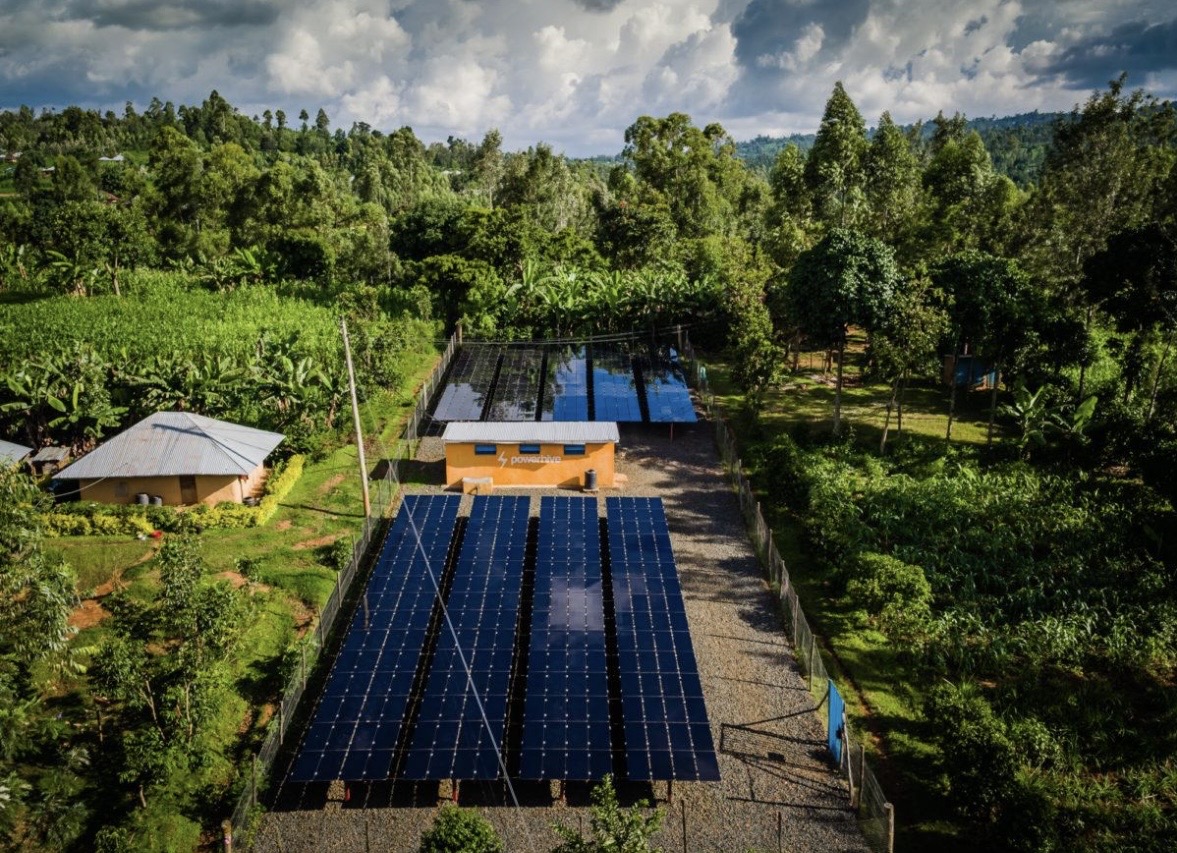
Traditional energy systems rely on large, centralized power plants. In contrast, decentralized systems consist of:
-
Local solar and wind generation
-
Battery storage units
-
Smart control systems
These systems operate independently or alongside the main grid.
Engineering Advantages
Decentralized energy offers several key benefits:
-
Reduced transmission losses
-
Increased energy resilience
-
Faster deployment and scalability
Microgrids can continue operating even during large-scale grid failures, making them ideal for:
-
Remote regions
-
Disaster-prone areas
-
Military and critical infrastructure
Technological Integration
Modern microgrids rely on:
-
AI-based energy management
-
IoT-connected devices
-
Real-time demand-response systems
These technologies allow efficient balancing of energy production and consumption.
Global Outlook
Countries across Africa, Asia, and North America are rapidly adopting microgrids. In the next two decades, decentralized systems could account for a significant share of global electricity generation.
Conclusion
Decentralized energy systems will democratize power generation, giving control back to consumers while increasing resilience and efficiency across global energy networks
