Image default
Asia

Nigeria is Africa’s largest oil producer, with vast reserves concentrated in the Niger Delta. The country’s oil industry is a key driver of its economy, contributing significantly to government revenue and exports.

Nigeria’s Oil Industry and Infrastructure

https://images.openai.com/static-rsc-4/ZqWFn8JWxVijen_CPjP83TQ9LwELN7_m3T7cpJJPn8xxX7lMhnvIdbB8W2x39iI6Q79wgSp0nMxvWm8zpSxaF3X6IZTSBD-7woh-OnRjsydWgErKzD1jahJ2ObLzjl0OrUcZ7trWZEcgwz7oqGWQoxOSVHguDx3ZRWJv9yyXUjLyzVHpE1NV8sZhNtXfM6xi?purpose=fullsize
https://images.openai.com/static-rsc-4/7arhv_3wjSSfJS71JX_sOwEVEAQR70GCf2vuBhNKajAd162Ejc3bbYB_BfTJ-_xjLtTr_3wjvJIKe6Sadqkz1KQHcY21iuu1QTJz_qcq5vxYU4D0fqQdH0zCeok4yk47RJNyFy7xoe1Ocm_fxUVHB-QumTlg54iJDm_caPlbxt3xmH_hGQHalCmMAWWtJrST?purpose=fullsize
https://images.openai.com/static-rsc-4/xemxdpxyO7GkOP3FhTJZk48PYGfwvkbTjxFmmOoPjkjbYOQE16yuPSVk2i2VqhQF0JBcv0HIlSdd4aQC_3hy0AkDYWTRp-5_Lt7sXHUQ0FHYk1uQfF5MDaMWJ2c0hbXVlLcoHaKVP9w99WequEz30tEyav16FZZBKrsd8s_dDPVbIkejEz5gB4bf0YgXkS0M?purpose=fullsize
4

Nigeria is Africa’s largest oil producer, with vast reserves concentrated in the Niger Delta. The country’s oil industry is a key driver of its economy, contributing significantly to government revenue and exports.

The sector is led by Nigerian National Petroleum Company, which manages exploration, production, and infrastructure development.

Engineering challenges include pipeline security, environmental concerns, and aging infrastructure. Continuous investment in modernization and technology is essential to sustain production levels.

Despite these challenges, Nigeria remains a critical player in global energy markets.


📝 ARTICLE 52

Angola’s Deepwater Oil Production

https://images.openai.com/static-rsc-4/6Ngve3_mJmjX0j-wb0lvCkESVB_d2sOgsgMcqc53vSKVdYfo5BVn_ouP7570K-yxhXx98aPcu4r4K1ZM4B9_iiPgQv4lwVn-9Hj3FrDLrS2rsxex-Bqg1tUrKaZPwMiMR8hBYaHlGd5l8UCkLPYk90IRU28T79sStrmJ5TfI1m86n357F5vaqYfcqNaSvxon?purpose=fullsize
https://images.openai.com/static-rsc-4/1V43rP5mtXJgk7YclJhhivFhqukYlB8RbkS2hgJ_zt9vEkzCMHdDFASz9gVF08yjoTSUgUQZRujVlh-CeENSaUBQHnmjLYvjiG8CjLy8vplLhn3ctOy3pG8omJ1wtwfPwu7t4cAinxWSHUpd6JBEG8Rr9Q5XxVGGf0G5f2K39mscVwt-cGoHcOhXp_06EL5Z?purpose=fullsize
https://images.openai.com/static-rsc-4/6EqDEwx_AWX-AXiNrkGRpAK9LreXdHGTf7yk66rd1bDx-CettsW_k0RTBRcD2KrwBsx7AAUvdKPJR6pzdmFsPLMtGb4JWK0GY4rocvmY3IdQW9R6-_EW9EUiL41ViyFX-My97SfVH9f99ELd9kJW5GZ-D_lnCffTQ-JhKfeqEUr-PJvI3kRm-p13lrX0xHpY?purpose=fullsize
4

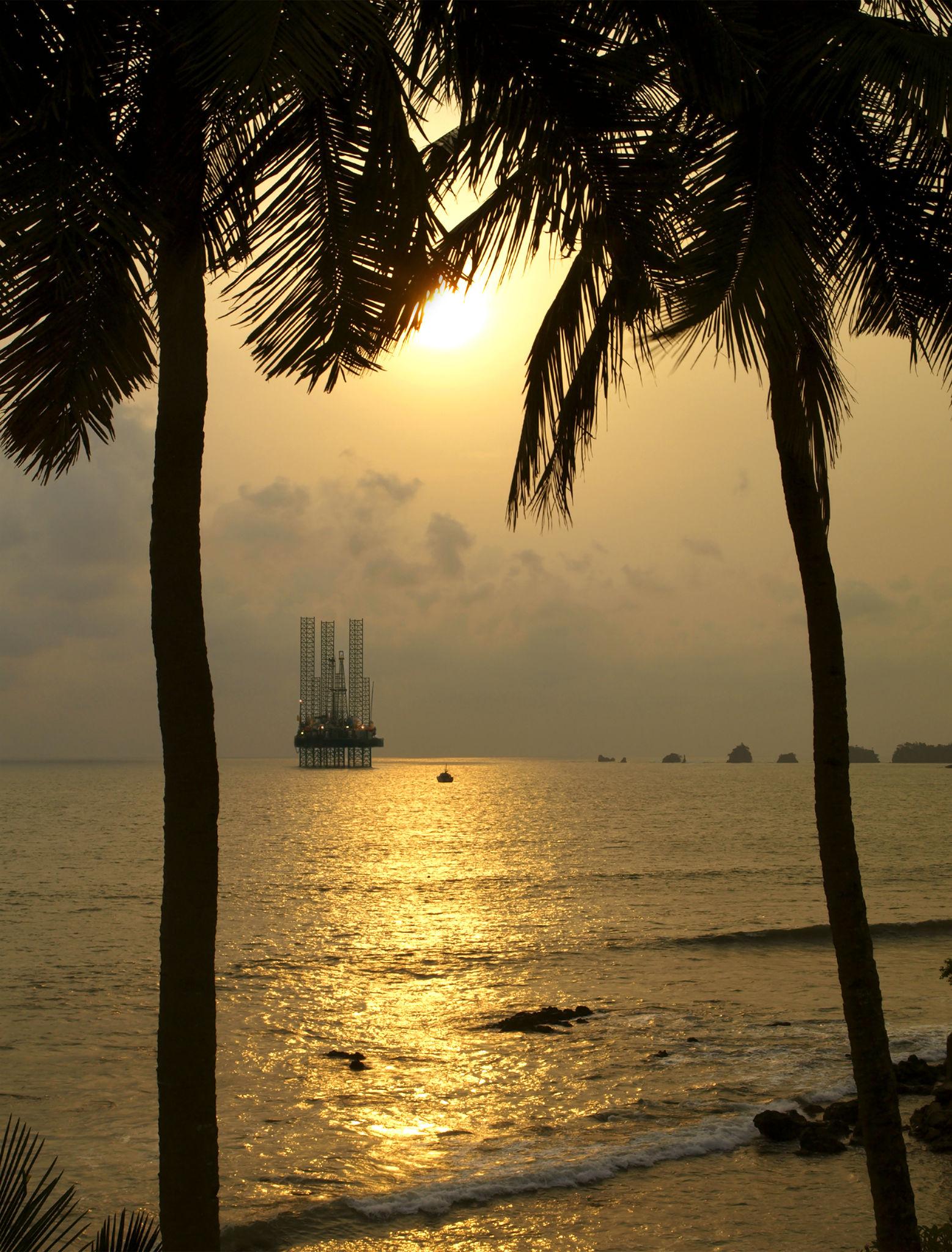
Angola is one of Africa’s leading oil producers, with a strong focus on deepwater offshore projects. The country’s reserves are primarily located in the Atlantic Ocean.

Companies such as TotalEnergies play a significant role in developing these resources.

Engineering expertise in floating production systems (FPSOs) and subsea technologies enables efficient extraction in deepwater environments.

Angola’s oil sector continues to attract international investment and technological innovation.

Related posts

Saudi Arabia’s long-term energy strategy focuses on sustainability, innovation, and diversification.

Gunay Ismayilova

Azerbaijan’s Vision 2030 reflects a balanced energy strategy that combines its rich oil heritage with modern engineering innovation and diversification goals. By strengthening offshore production, expanding gas infrastructure, and investing in future energy systems, Azerbaijan is securing its role as a key energy player in the global market.

Gunay Ismayilova

CCUS will serve as a bridge between traditional energy systems and a low-carbon future. Its scalability and compatibility with existing infrastructure make it essential for the next 20 years.

Gunay Ismayilova

Leave a Comment