
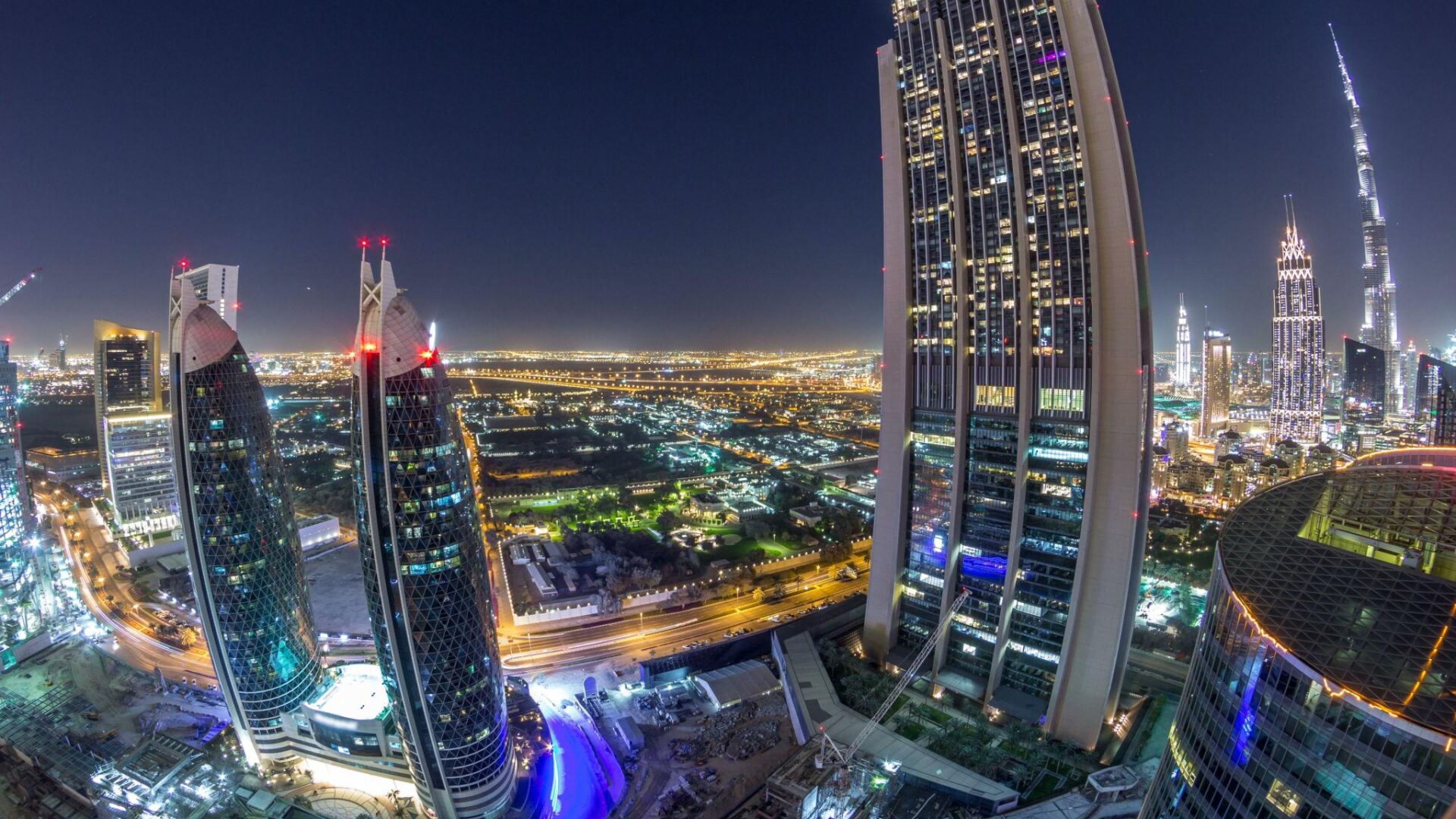
Energy Transformation and Engineering Strategy in the United Arab Emirates


Abstract
The United Arab Emirates (UAE) represents one of the most advanced examples of hydrocarbon-driven economic transformation. While Abu Dhabi holds the majority of the nation’s oil reserves, Dubai has evolved into a global hub for energy logistics, finance, and innovation. This paper explores the engineering and strategic framework underpinning the UAE’s transition toward a diversified energy economy, highlighting the integration of oil, gas, and renewable systems under long-term national strategies.
1. Introduction
The UAE’s hydrocarbon sector has historically been the foundation of its economic growth, with oil revenues enabling rapid infrastructure development and global economic integration. However, unlike traditional oil economies, the UAE has adopted a forward-looking approach by reinvesting oil wealth into diversified sectors such as finance, tourism, logistics, and advanced energy systems.
Dubai, in particular, plays a unique role. Despite limited oil reserves, it has become a central node in global energy trade, leveraging its geographic location, advanced port infrastructure, and financial ecosystem.
2. Oil Engineering Framework in the UAE
The UAE’s oil engineering system is highly integrated, consisting of upstream, midstream, and downstream operations.
2.1 Upstream Engineering
- Reservoir simulation and modeling
- Advanced drilling techniques (horizontal drilling, EOR)
- Offshore platform engineering
Although Dubai’s production is modest, offshore fields such as Fateh require complex subsea and pressure management systems.
2.2 Midstream Systems
Midstream engineering plays a critical role in Dubai’s energy dominance:
- Pipeline distribution networks
- Storage tank farms
- Marine terminal operations
Facilities at Jebel Ali are designed to handle high-volume crude and refined product flows, ensuring seamless global distribution.
2.3 Downstream Integration
The UAE has invested heavily in refining and petrochemical systems:
- High-capacity refineries
- Chemical conversion plants
- Export-oriented production systems
This enables the country to move beyond crude exports toward high-value petrochemical products.
3. Strategic Shift Toward Diversification
The UAE’s long-term vision focuses on reducing dependence on oil revenues. This is achieved through:
- Expansion of non-oil GDP sectors
- Development of global trade infrastructure
- Investment in advanced energy technologies
Dubai exemplifies this shift by positioning itself as:
➡️ A global energy business and trading hub
➡️ A logistics and distribution center
➡️ A financial gateway for energy investments
4. Renewable Energy Integration
Dubai’s energy engineering strategy includes large-scale renewable integration.
Key Systems
- Solar photovoltaic farms
- Concentrated solar power (CSP)
- Smart grid infrastructure
The Mohammed bin Rashid Solar Park is one of the largest in the world, demonstrating the UAE’s commitment to hybrid energy systems combining oil and renewables.
5. Challenges and Opportunities
Challenges
- Global decarbonization pressures
- Volatility in oil markets
- Technological transition costs
Opportunities
- Leadership in hybrid energy systems
- Expansion of energy logistics
- Development of new export fuels (hydrogen)
6. Conclusion
The UAE, and particularly Dubai, represents a new model of oil economy transformation. Through advanced engineering, strategic investments, and diversification policies, the country is transitioning from a hydrocarbon-based system to a multi-sector, future-ready energy economy.
UAE as Global Energy Investment Hub


Abstract
Dubai serves as a financial and strategic hub for global energy investments.
Key Roles
- Energy trading
- Investment management
- International partnerships
Strategic Position
Bridge between East and West markets.
Conclusion
Dubai is not just energy—it’s the capital of global energy business.
