
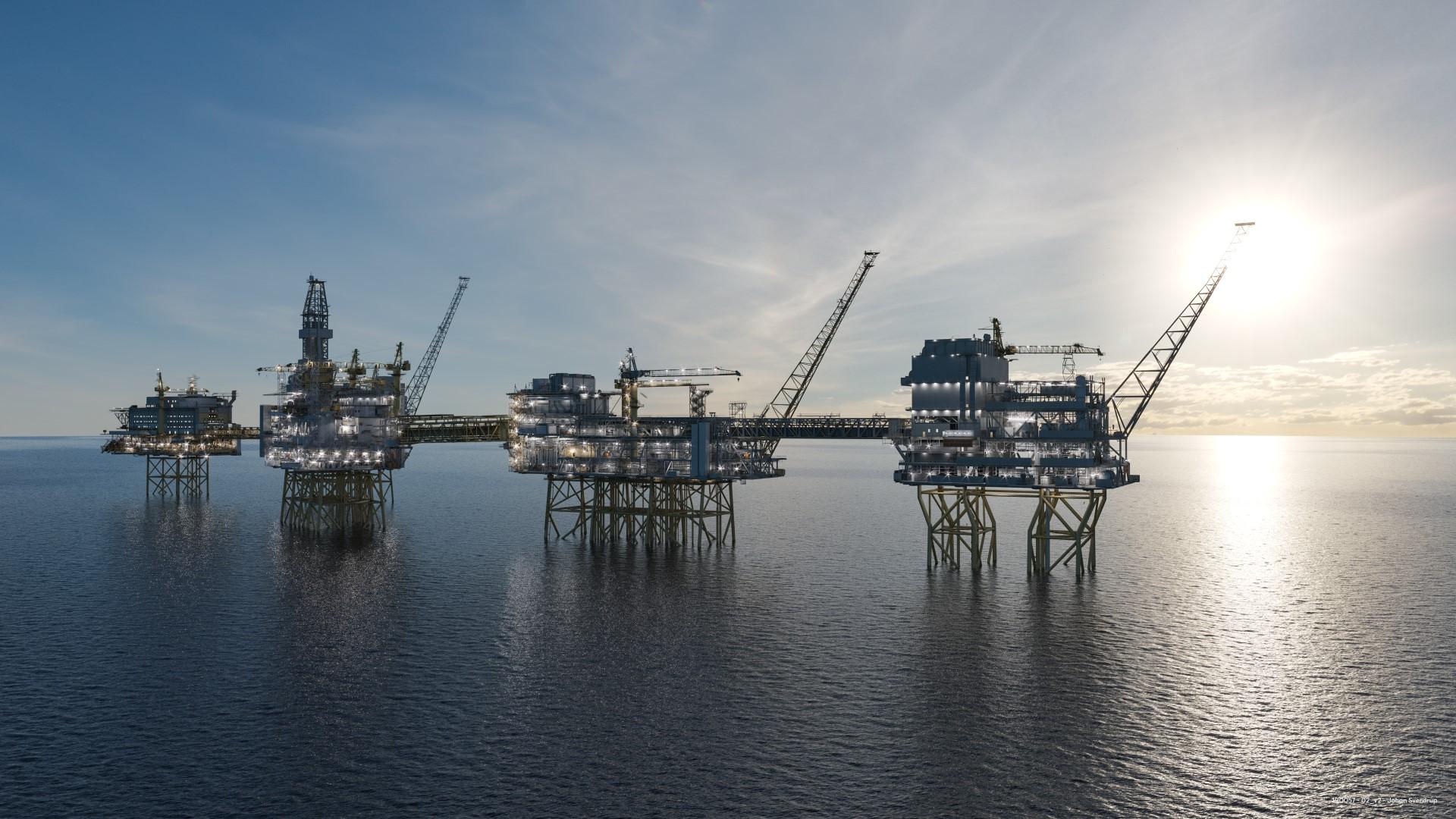
Norway Oil Vision 2030: Engineering Excellence, Sustainability, and the Future of Offshore Energy


Abstract
Norway represents one of the most advanced and sustainable oil-producing nations in the world. Through a combination of strict environmental policies, cutting-edge offshore engineering, and strategic long-term planning, Norway has successfully balanced hydrocarbon production with climate commitments. This paper explores Norway’s Vision 2030 energy strategy, focusing on offshore engineering systems, electrification of platforms, digital transformation, and integration with renewable energy.
1. Introduction
Since the discovery of oil in the North Sea in the late 1960s, Norway has developed a globally respected petroleum industry built on efficiency, transparency, and sustainability. The sector is primarily managed by Equinor, alongside international partners.
Unlike many oil-producing countries, Norway has adopted a long-term vision emphasizing:
- Responsible resource management
- Environmental protection
- Technological innovation
- Economic diversification
Oil remains a major contributor to national wealth, but Norway’s approach focuses on maximizing value while minimizing environmental impact.
2. Offshore Engineering in the North Sea
2.1 Harsh Environment Engineering
Norwegian offshore operations face some of the most challenging conditions globally:
- Extreme cold temperatures
- High waves and strong winds
- Deepwater environments
Engineering systems are designed to ensure:
- Structural integrity
- Operational safety
- Continuous production
2.2 Advanced Offshore Platforms
Norway utilizes:
- Fixed platforms
- Floating production units
- Subsea production systems
Subsea technology is particularly advanced, allowing wells to operate remotely on the seabed without surface installations.
3. Electrification of Oil Platforms
One of Norway’s most innovative strategies is the electrification of offshore facilities.
Engineering Concept
Platforms are powered by electricity from onshore renewable sources instead of gas turbines.
Benefits
- Significant reduction in CO₂ emissions
- Improved energy efficiency
- Lower operational costs over time
This makes Norway a global leader in low-emission oil production.
4. Subsea Engineering and Digital Oilfields
Norway leads in subsea and digital technologies.
Key Systems
- Subsea compression stations
- Remote-controlled production systems
- Digital monitoring platforms
Technologies Used
- Artificial Intelligence (AI)
- Real-time data analytics
- Digital twin modeling
These innovations reduce the need for offshore personnel and increase operational precision.
5. Sustainability and Carbon Management
5.1 Carbon Capture and Storage (CCS)
Norway is a pioneer in CCS technologies.
Projects such as:
- Northern Lights
focus on capturing CO₂ and storing it beneath the seabed.
5.2 Environmental Regulations
Strict government policies ensure:
- Minimal environmental impact
- Safe offshore operations
- Responsible resource extraction
6. Integration with Renewable Energy
Norway’s energy strategy integrates oil with renewable systems.
Key Areas
- Offshore wind farms
- Hydropower (primary electricity source)
- Hybrid energy systems
This enables:
- Electrification of oil operations
- Reduced carbon footprint
- Sustainable long-term energy mix
7. Economic and Strategic Position
Norway has established:
- One of the world’s largest sovereign wealth funds
- Strong global influence in energy markets
Oil revenues are reinvested into:
- Infrastructure
- Technology
- Future energy projects
8. Challenges and Future Outlook
Challenges
- Declining mature fields
- Global pressure to reduce fossil fuel use
- High operational costs
Future Strategy
Norway aims to:
➡️ Extend offshore production efficiency
➡️ Expand CCS and renewables
➡️ Lead global sustainable energy engineering
Conclusion
Norway’s Vision 2030 demonstrates that oil production can coexist with sustainability and innovation. Through advanced offshore engineering, electrification, and environmental leadership, Norway has redefined the future of the petroleum industry.
It stands not only as an oil producer, but as a global benchmark for responsible and technologically advanced energy development.
