
Europe Oil Strategy 2030: Engineering Transition from Hydrocarbon Dependence to Integrated Energy Systems


6
Abstract
Europe’s oil strategy toward 2030 is defined not by expansion, but by transformation. Faced with declining domestic reserves, stringent environmental policies, and ambitious climate targets, Europe is reshaping its hydrocarbon sector into a highly efficient, low-emission, and integrated energy system. This journal examines the engineering frameworks, infrastructure adaptations, and policy-driven strategies guiding Europe’s transition from oil dependency toward a diversified energy future.
1. Introduction
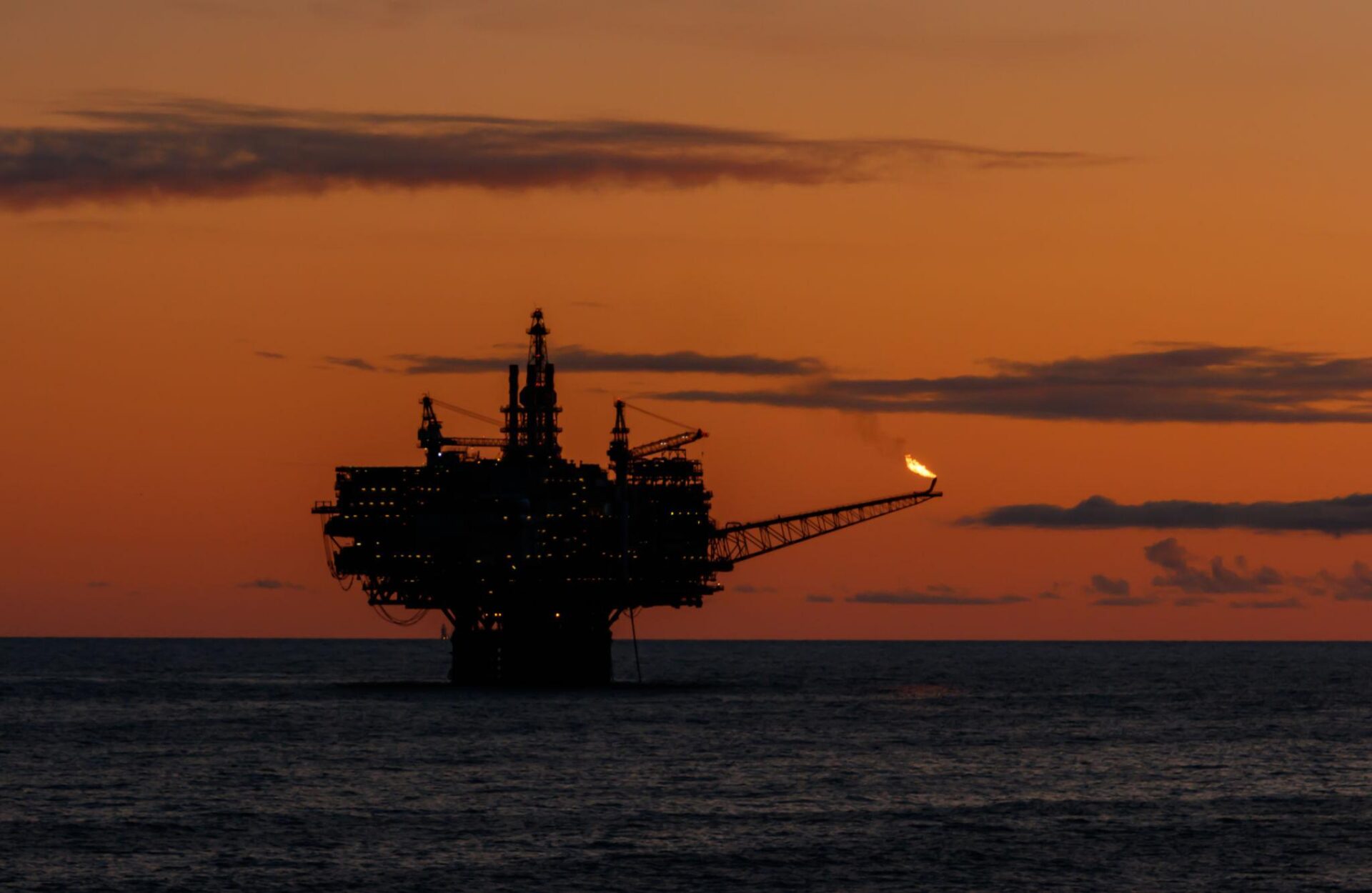
Europe has historically been a significant oil producer, particularly through the North Sea resources of countries such as Norway and United Kingdom. However, maturing fields, environmental regulations, and the European Union’s climate commitments have driven a strategic shift.
Unlike traditional oil economies, Europe’s Vision 2030 focuses on:
- Reducing oil consumption
- Increasing energy efficiency
- Transitioning toward renewable energy
- Maintaining energy security
Oil remains part of the system—but increasingly as a supporting, transitional energy source.
2. Decline of Conventional Production and Engineering Adaptation
2.1 North Sea Maturity
North Sea oil fields are in decline due to:
- Reservoir depletion
- High operational costs
- Aging infrastructure
Engineering Response
- Enhanced oil recovery (EOR) techniques
- Digital reservoir modeling
- Subsea tieback systems to extend field life
These approaches maximize remaining production while minimizing new development costs.
3. Refining and Petrochemical Optimization
Europe maintains a strong downstream sector despite declining upstream production.
Engineering Systems
- High-efficiency refining units
- Low-sulfur fuel processing technologies
- Integrated petrochemical production
Strategic Focus
Refineries are adapting to:
- Lower crude demand
- Cleaner fuel standards
- Alternative feedstocks
This ensures continued relevance of refining infrastructure in a low-carbon economy.
4. Energy Security and Diversification
Europe’s oil strategy is closely linked to energy security concerns.
Key Measures
- Diversification of oil import sources
- Expansion of strategic petroleum reserves
- Development of alternative supply routes
Recent geopolitical shifts have accelerated efforts to reduce reliance on single suppliers and increase resilience.
5. Integration with Renewable Energy Systems
Europe leads globally in renewable energy integration.
Hybrid Engineering Systems
- Offshore oil platforms powered by wind energy
- Electrification of offshore operations
- Shared infrastructure between oil and wind farms
This reduces emissions and extends the viability of existing assets.
6. Carbon Management and Environmental Engineering
6.1 Carbon Capture and Storage (CCS)
Europe is investing heavily in CCS projects, particularly in the North Sea.
Engineering Components:
- CO₂ capture facilities
- Pipeline transport systems
- Subsea storage reservoirs
6.2 Emission Reduction Technologies
- Methane leak detection systems
- Energy-efficient processing units
- Electrification of refineries
These measures align oil operations with EU climate targets.
7. Digital Transformation in Oil Engineering
European oil companies are adopting advanced digital technologies:
Key Technologies
- Artificial Intelligence (AI)
- Digital twins
- Predictive maintenance systems
Applications
- Reservoir optimization
- Infrastructure monitoring
- Cost reduction
Digitalization enhances efficiency while reducing environmental impact.
8. Transition to Alternative Fuels
Europe is investing in:
- Hydrogen production (green and blue)
- Biofuels
- Synthetic fuels
Oil infrastructure is being adapted to support these new energy carriers, ensuring continuity in energy systems.
9. Economic and Strategic Outlook
Europe’s oil strategy aims to:
➡️ Reduce dependence on fossil fuels
➡️ Maintain energy security
➡️ Lead global climate initiatives
Oil revenues and infrastructure are being redirected toward:
- Renewable energy projects
- Innovation and research
- Sustainable industrial development
10. Challenges and Future Outlook
Challenges
- Rapid decarbonization targets
- High transition costs
- Declining domestic production
Future Direction
Europe is moving toward:
➡️ A low-carbon energy system
➡️ Reduced oil consumption
➡️ Integrated energy infrastructure
Conclusion
Europe’s Vision 2030 oil strategy represents a fundamental shift from expansion to transformation. Through engineering innovation, policy-driven change, and integration with renewable energy systems, Europe is redefining the role of oil in a modern energy economy.
Rather than abandoning oil entirely, Europe is reshaping it into a cleaner, more efficient, and transitional component of a diversified energy future.
