
AI-Driven Energy Systems and Smart Grids


Abstract
Over the next 20 years, renewable energy systems will dominate global electricity production. Solar, wind, and hybrid systems are expected to replace a significant portion of fossil fuel-based energy. This transition is driven by technological advancements, policy frameworks, and global decarbonization goals.
Engineering Evolution
Renewable energy has already reached a critical tipping point. Solar panel efficiency has increased significantly, while costs have dropped dramatically. Wind turbines are now larger, more efficient, and capable of generating power even at lower wind speeds.
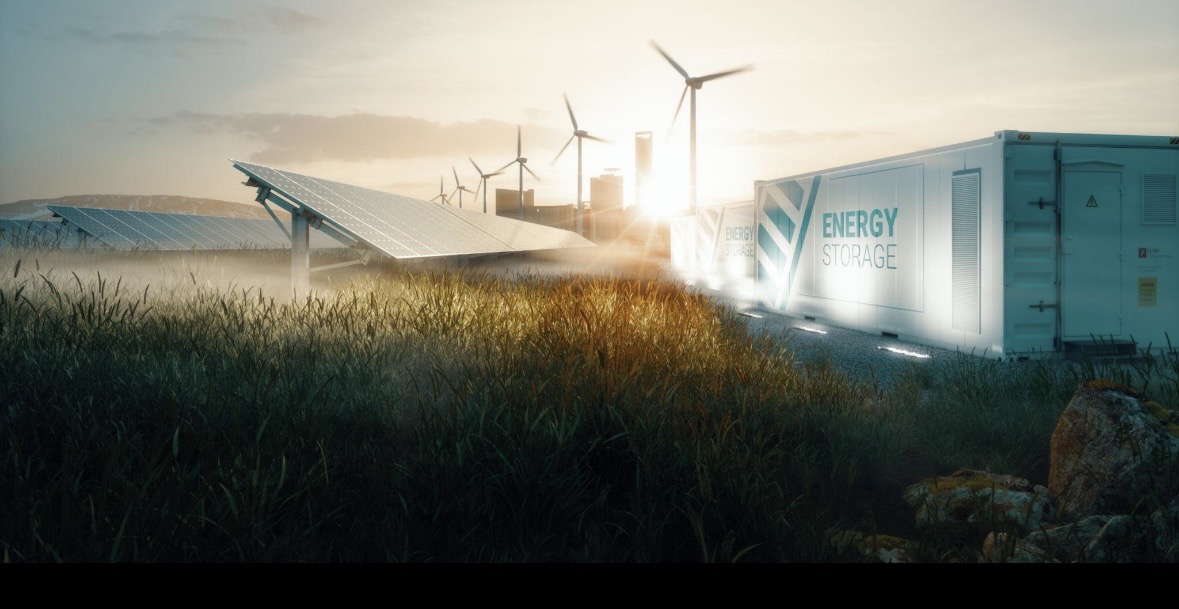
Future systems will rely on hybrid energy networks, combining solar, wind, and energy storage into unified grids. Engineers are developing:
-
Floating offshore wind farms
-
High-efficiency photovoltaic cells
-
Grid-scale battery storage systems
Smart Grid Integration
One of the most important developments is the evolution of smart grids. These systems use real-time data and automation to balance supply and demand.
Artificial intelligence will:
-
Predict energy consumption patterns
-
Optimize energy distribution
-
Reduce waste and outages
This creates a more resilient and efficient energy infrastructure.
Global Impact
Countries investing early in renewable infrastructure will dominate future energy markets. Regions with high solar exposure (Middle East, Africa) and strong wind resources (Europe, offshore U.S.) will become energy leaders.
Conclusion
Renewable energy will form the backbone of global power systems by 2046. The integration of smart grids and storage technologies will ensure reliability and scalability, making renewables the dominant energy source
Abstract
Artificial intelligence is transforming how energy is produced, distributed, and consumed.
Engineering Systems
- Smart grids
- AI optimization systems
- IoT-based monitoring
Impact
- Increased efficiency
- Reduced waste
- Real-time energy management
Conclusion
AI will be the brain of future energy systems.
