
Hydrogen Energy and the Next Industrial Revolution
Abstract
Hydrogen is emerging as one of the most promising energy carriers for the next 20 years. Its ability to store and transport energy makes it a key solution for decarbonizing industries that cannot rely solely on electricity.
Hydrogen Production Technologies
There are three primary types of hydrogen:
-
Grey hydrogen (from natural gas)
-
Blue hydrogen (with carbon capture)
-
Green hydrogen (from renewable energy)
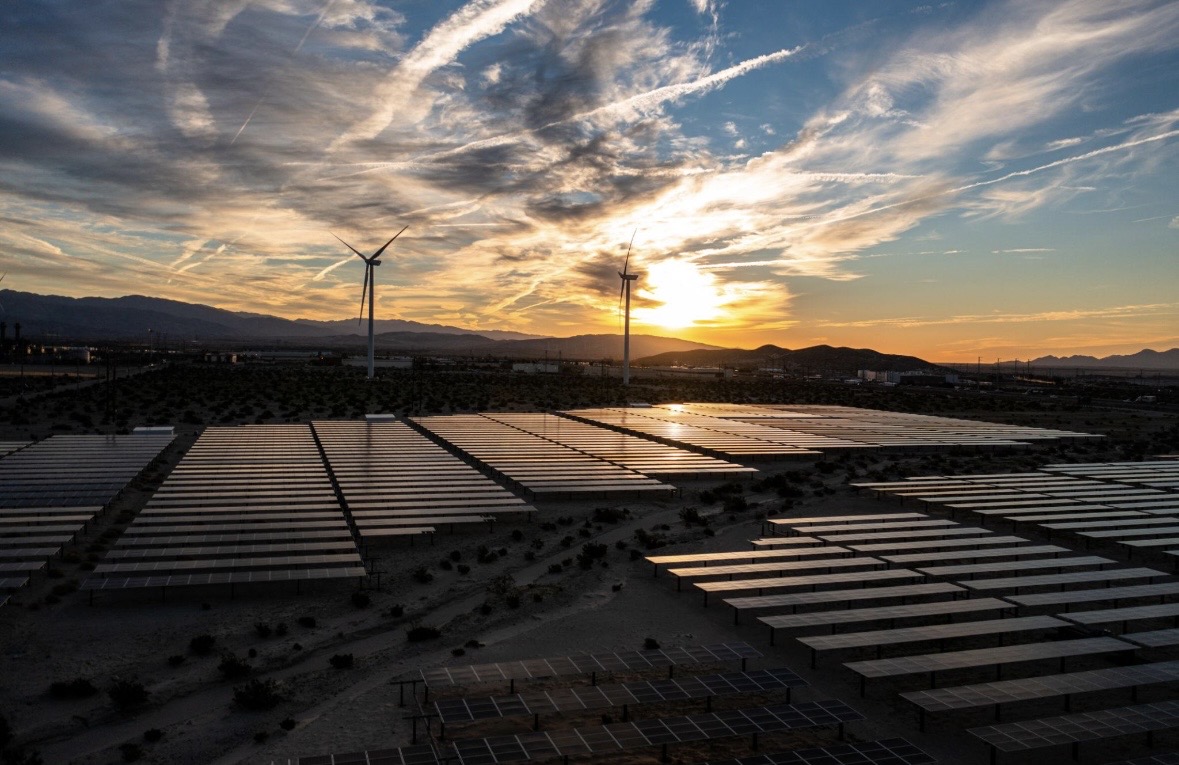
The future will be dominated by green hydrogen, produced through electrolysis powered by solar and wind energy.
Industrial Applications
Hydrogen will revolutionize:
-
Steel production
-
Aviation fuel
-
Heavy transportation
-
Chemical industries
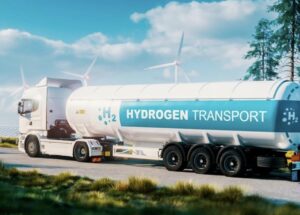
Unlike electricity, hydrogen can store energy for long periods and be transported globally.
Infrastructure Development
Massive investments are being made in:
-
Hydrogen pipelines
-
Storage systems
-
Export terminals
Countries like Saudi Arabia and Australia are positioning themselves as major hydrogen exporters.
Challenges
Despite its potential, hydrogen faces challenges:
-
High production costs
-
Storage complexity
-
Infrastructure limitations
However, technological advancements are expected to reduce costs significantly.
Conclusion
Hydrogen will become a cornerstone of the global energy system, enabling deep decarbonization and supporting industrial growth over the next two decades.
