
Abstract
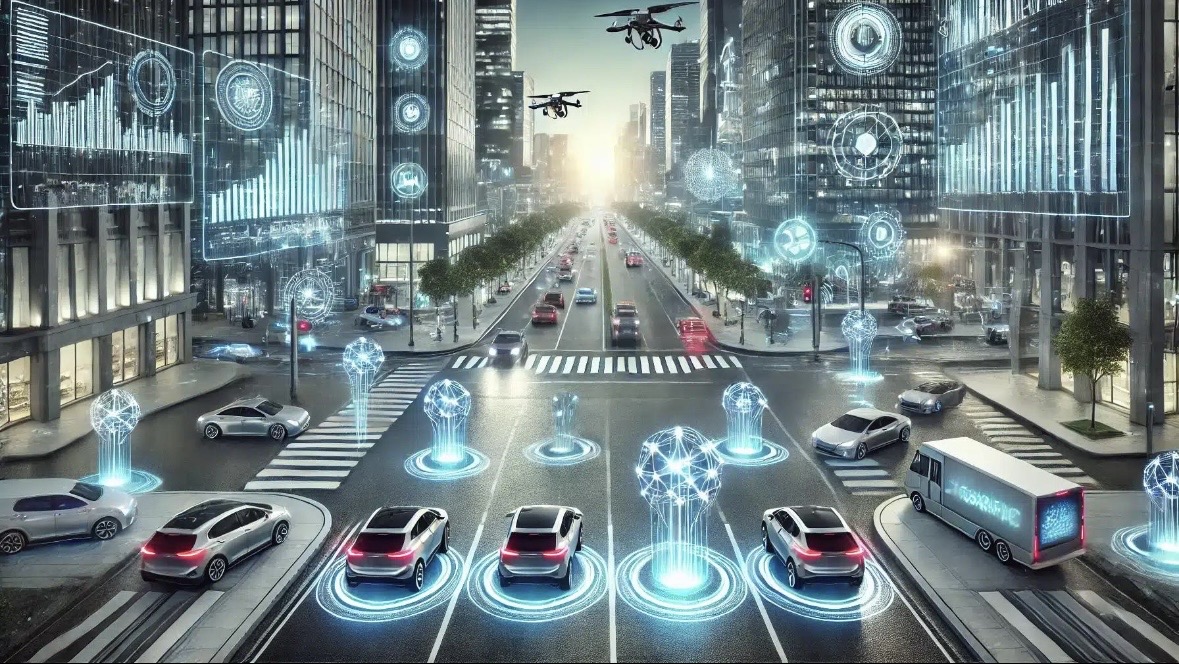
Smart cities will redefine how energy is produced, distributed, and consumed. By integrating advanced technologies, urban environments will become highly efficient, sustainable ecosystems.
Urban Energy Transformation
In the next 20 years, cities will evolve into intelligent energy systems where:
-
Buildings generate their own power
-
Transportation runs on electricity or hydrogen
-
Energy consumption is optimized in real time
Core Technologies
Smart cities rely on:
-
Artificial intelligence
-
Big data analytics
-
Internet of Things (IoT)
These technologies enable:
-
Automated energy distribution
-
Smart lighting and HVAC systems
-
Real-time energy monitoring
Engineering Design
Future cities will incorporate:
-
Solar-integrated architecture (solar glass, rooftop panels)
-
Underground energy storage systems
-
Electrified public transportation networks
Engineers will design infrastructure that seamlessly integrates energy generation into daily life.
Sustainability Goals
Smart cities aim to:
-
Reduce carbon emissions
-
Improve energy efficiency
-
Enhance quality of life
Urban centers will become the focal point of global energy transformation.
Conclusion
Smart cities represent the convergence of technology and sustainability. Over the next two decades, they will serve as models for efficient, low-carbon living.
