Abstract
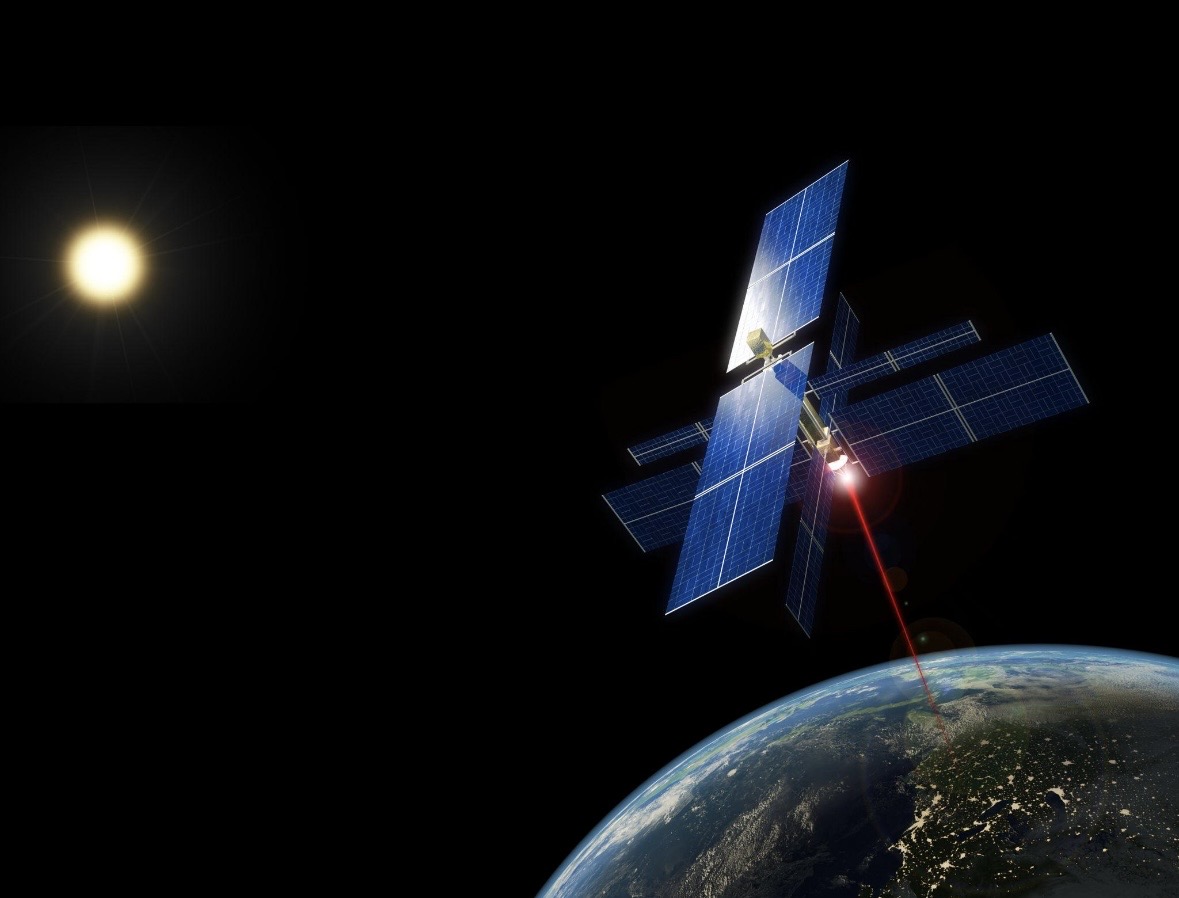
Space-based solar power (SBSP) is an emerging concept that could revolutionize global energy supply. By capturing solar energy in space and transmitting it to Earth, SBSP offers continuous, high-efficiency power generation.
Concept Overview
Unlike Earth-based solar systems, space solar arrays operate without:
-
Atmospheric interference
-
Weather disruptions
-
Day-night cycles
Energy is collected by satellites and transmitted to Earth using microwave or laser technology.
Engineering Challenges
SBSP faces several technical hurdles:
-
High launch costs
-
Energy transmission efficiency
-
Satellite construction and maintenance
However, advancements in reusable rockets and space technology are rapidly reducing these barriers.
Organizations like NASA are actively researching SBSP feasibility.
Potential Impact
If implemented successfully, SBSP could:
-
Provide constant, uninterrupted energy
-
Supply power to remote regions
-
Reduce reliance on fossil fuels
It could also become a strategic asset for nations investing in space infrastructure.
Timeline (2026–2046)
Within the next 20 years, we may see:
-
Prototype space-based solar systems
-
Pilot energy transmission projects
-
Early commercial deployment
Conclusion